Cryolipolysis Explained: Fat Freezing Science, Safety & What to Expect
Updated 19 September 2026 For current treatment details and booking information, see Fat Freezing London.
Cryolipolysis, commonly called fat freezing, is a non-surgical body-contouring treatment for small, localised pockets of subcutaneous (pinchable) fat. It does not treat visceral fat around the internal organs and it is not a weight-loss treatment. Controlled cooling is applied to a suitable fat pocket and the affected fat cells are gradually cleared by the body over the following weeks and months.
The Science Behind Fat Freezing Cryolipolysis
Cryolipolysis is based on the observation that fat cells are more vulnerable to controlled cooling than the overlying skin. The treatment is designed for subcutaneous fat that can be safely drawn into an applicator. It does not target visceral fat around the internal organs.
Modern cryolipolysis developed from research into selective cryolysis by Dieter Manstein, R. Rox Anderson and colleagues. Their work showed that controlled cold exposure could selectively injure subcutaneous fat while limiting damage to surrounding tissue. This scientific principle later led to commercial non-surgical fat-freezing systems.
During treatment, controlled cooling stresses the fat cells in the selected area. The body then clears the affected cells gradually through normal inflammatory and immune processes over the following weeks and months. The exact amount of visible contour change varies by person, area, applicator fit and treatment plan.

3. Cooling Phase:
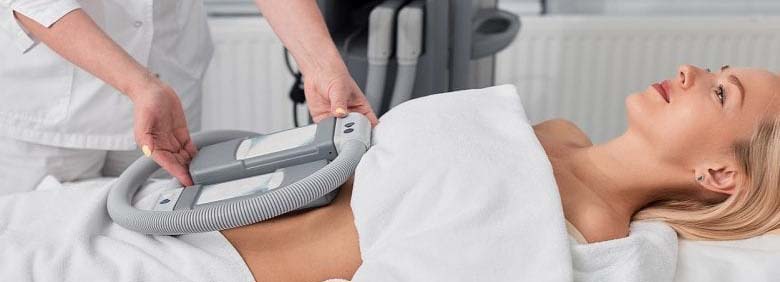
The applicator applies controlled cooling to the selected fat pocket. You may initially feel suction, pulling and intense cold before the area becomes numb. Appointment length depends on the applicator plan and treatment area; 3D Lipo London does not publish a single universal treatment time for every fat-freezing appointment.
4. After the Cooling Cycle:
Once the cooling cycle is complete, the applicator is removed and the treated tissue is checked. The area can look red or feel firm, tender, numb or sensitive for a period afterwards. Any immediate post-treatment handling is carried out according to the device protocol and the individual area.
5. Recovery and Results:
Cryolipolysis does not involve surgical incisions or a general anaesthetic, so there is no surgical recovery period. Temporary redness, swelling, bruising, discomfort, tingling or numbness can still occur. Visible change develops gradually rather than immediately, commonly over a period of weeks to a few months.
Benefits of Cryolipolysis
Cryolipolysis offers several compelling benefits, making it an attractive option for individuals seeking non-surgical body fat reduction:
1. Non-Invasive:
Unlike surgical fat reduction methods, cryolipolysis does not involve incisions, anesthesia, or significant downtime. This makes it an appealing choice for those wary of surgery or unable to take extended time off for the recovery time.
2. Targeted Fat Reduction:
3. Common Temporary Effects:
Common temporary effects can include redness, swelling, bruising, tenderness, tingling or numbness in the treated area. Less common but more serious complications are also possible, which is why suitability and informed consent matter.
4. Gradual, Natural-Looking Results:
Because the treated fat cells are cleared gradually, any visible contour change develops over time rather than appearing immediately. The amount of change differs between people and treatment areas.
5. Long-Lasting Results:
Fat cells affected by cryolipolysis are cleared from the treated area. Remaining fat cells can still enlarge with weight gain, so maintaining a relatively stable weight helps preserve the contour change. This should not be described as protection against future weight gain.
Potential Risks and Considerations
Cryolipolysis is non-surgical, but it is not risk-free. Suitability, device use and recognition of known complications are important. The FDA lists common temporary effects such as redness, bruising, swelling and discomfort, and also describes rarer complications including prolonged numbness, freeze injury, nerve effects in under-chin treatment, hernia concerns in structurally weak areas, and paradoxical adipose hyperplasia (PAH).
1. Not a Weight-Loss Solution:
Cryolipolysis is not intended for overall body weight loss. Ideal candidates are those who are close to their ideal body weight but have localized fat deposits that do not respond to healthy diet and exercise.
2. Individual Results May Vary:
The effectiveness of cryolipolysis can vary from person to person. Factors such as the individual's body composition, the amount of fat in the targeted area, and adherence to post-treatment care can influence the results.
3. Paradoxical Adipose Hyperplasia (PAH):
PAH is a rare complication specific to fat freezing in which the treated fatty tissue grows instead of shrinking, creating a firm enlarged bulge. It does not usually resolve on its own and may require surgical treatment. Clients should be told about this possibility before proceeding.
4. Temporary Sensory Changes:
Some patients experience temporary numbness, tingling, or increased sensitivity in the treated area. These sensory changes are usually temporary and resolve on their own.
5. Multiple Sessions May Be Required:
Some people choose more than one session, while others do not. The number of sessions should be based on the treatment area, the result after enough time has passed to assess it, and the person's goals rather than a fixed package being assumed for everyone.
Preparing for Cryolipolysis
If you are considering cryolipolysis, it is important to prepare adequately to ensure the best possible outcome. Here are some tips for preparing for the procedure:
1. Consultation:
Before treatment, the practitioner reviews the area you want to address, the amount and position of pinchable fat, your medical history, previous procedures or surgery in the area, and any medicines or relevant health conditions. The aim is to decide whether cryolipolysis is appropriate and to set realistic expectations.
2. Medical History:
Be prepared to provide your complete medical history, including any underlying health conditions, allergies, and current medications or supplements.
3. Maintain a Stable Weight:
For optimal results, maintain a stable weight before and after the procedure. Significant weight fluctuations can affect the treatment site and outcome.
4. Review Medicines and Supplements:
Tell the practitioner about all prescribed medicines, over-the-counter medicines, vitamins and supplements. Do not stop or change prescribed medication unless the clinician who prescribed it advises you to do so. If a medicine or medical condition affects suitability, the clinic may postpone or decline treatment or ask for medical clearance.
5. Hydrate:
Normal hydration is sensible before and after an appointment, but there is no need to over-hydrate or follow a special “detox” routine for fat freezing.
6. Follow Pre-Treatment Instructions:
Follow the clinic's treatment-specific instructions and tell the practitioner about any new medical issue, skin change, surgery or medication before the appointment.
What to Expect During and After Cryolipolysis
Understanding what to expect during and after cryolipolysis can help you feel more comfortable and prepared for the procedure:
1. During the Procedure:
During treatment you may feel suction, pressure and intense cold when the applicator is first applied. The area often becomes numb as cooling continues. Comfort varies by person and treatment area.
2. Post-Treatment Sensations:
Temporary redness, swelling, bruising, tenderness, tingling or numbness can occur after treatment. If symptoms are severe, worsening or unexpected, contact the clinic for advice.
3. Gradual Results:
Cryolipolysis is gradual. The FDA notes that damaged fat-cell material is typically cleared over roughly two to three months. Some people notice change earlier, but it is better to judge the contour after the area has had time to settle rather than expecting an immediate result.
4. Post-Treatment Care:
Most people can return to normal day-to-day activity, subject to how the area feels. Follow the clinic's aftercare advice and avoid assuming that supplements, “detox” products or aggressive massage are required unless specifically recommended for your treatment plan.
5. Follow-Up Appointments:
A follow-up can be useful to compare photographs or measurements, assess the treated area after sufficient time has passed, and decide whether another session is appropriate.
Why the Device and Applicator Design Matter
Cryolipolysis outcomes and safety depend on appropriate device use, applicator fit, treatment planning and practitioner judgement. The Sculpt Pro Cryo Quattro used as our primary fat-freezing reference employs 360° applicators and can run multiple applicators simultaneously. That does not mean every client needs several applicators; the plan should match the actual area being assessed.
1. Enhanced Applicators: Future advancements in applicator technology may allow for more precise targeting of fat cells and improved comfort during the procedure.
2. Expanded Treatment Areas: Research is exploring the use of cryolipolysis on additional areas of the body, potentially expanding the range of treatable areas beyond the current options.
3. Combination Therapies: Combining the cryolipolysis treatments with other non-invasive treatments, such as radiofrequency or ultrasound, may enhance results and provide more comprehensive body contouring solutions.
4. Improved Understanding of PAH: Continued research into paradoxical adipose hyperplasia (PAH) aims to identify risk factors and develop strategies to prevent and manage this rare side effect.
5. Advances: in imaging and assessment techniques may enable providers to create more personalized treatment plans tailored to each patient's unique anatomy and goals.
Personalized Treatment Plans: Advances in imaging and assessment techniques may enable providers to create more personalized treatment plans tailored to each patient's unique anatomy and goals.
Cryolipolysis in London
When comparing cryolipolysis clinics, check which device is actually being used, whether the practitioner carries out a proper suitability assessment, whether risks and contraindications are explained, and whether pricing is transparent. At 3D Lipo London, the primary fat-freezing system referenced on our current treatment pages is the Sculpt Pro Cryo Quattro. Our Fat Freezing London treatment page gives current clinic-specific suitability, pricing and booking information.
Conclusion
Cryolipolysis can be a useful non-surgical option for a suitable localised fat pocket, but results vary and the treatment has limitations and risks. A good consultation should establish whether the concern is genuinely subcutaneous fat, whether an applicator can be placed safely, and whether another treatment category would better match the goal. For clinic-specific prices, contraindications and booking information, use our Fat Freezing London page.
Related Articles
Fat-Freezing
Fat freezing and non-invasive body-contouring guide
Fat-freezing-arm-fat
Fat-freezing-Back-fat
Fat-freezing-before-and-after
Fat-freezing-london
Fat Freezing Can It Get Rid of Cellulite
Cryolipolysis and fat freezing: are they the same thing?
Yes. Cryolipolysis is the technical name for the controlled-cooling process commonly described as fat freezing. CoolSculpting® is a separate branded cryolipolysis system; it is not the generic name for the treatment. 3D Lipo London does not describe its Sculpt Pro treatment as CoolSculpting.
What can cryolipolysis change?
Cryolipolysis is intended to reduce a localised bulge of pinchable subcutaneous fat. It is not designed to treat obesity, visceral fat, stretch marks or significant loose skin. If the main concern is skin laxity, cellulite or muscle tone, another treatment category may be more appropriate. See our body-sculpting comparison guide.
How does cryolipolysis differ from liposuction?
Fat freezing is non-surgical and works gradually through controlled cooling. Liposuction is an operation in which fat is physically removed through small incisions using suction. They therefore differ in invasiveness, recovery, risks and the amount of fat that can be removed. Read our fat freezing vs liposuction guide for a side-by-side explanation.
Useful cryolipolysis FAQs
Does cryolipolysis treat visceral belly fat?
No. It targets accessible subcutaneous fat beneath the skin, not the deeper visceral fat surrounding the abdominal organs.
Is cryolipolysis a weight-loss treatment?
No. It is a body-contouring treatment for localised fat pockets. A change in contour does not mean meaningful overall weight loss.
What should I look for when choosing a fat-freezing clinic?
Look for clear device identification, a proper medical/suitability consultation, realistic explanations of limitations and risks, transparent prices and genuine before-and-after evidence rather than guaranteed outcomes.
Current clinic prices: chin £139; one large applicator £159; two large applicators £259. Three-session packages are listed on our current Prices page.
Consultation booking: A £30 booking deposit secures an in-person consultation. It is fully redeemable against treatment and refundable after you attend if you decide not to proceed. Please give at least 72 hours' notice to cancel or reschedule. A no-show loses the £30 deposit, and rebooking after a no-show requires a new £30 deposit. Late arrival may shorten the appointment. For current booking details, see our Marylebone clinic contact page.

Useful information before you book
Fat freezing is intended for localised, pinchable subcutaneous fat rather than general weight loss. Suitability depends on the treatment area, safe applicator fit and relevant medical history, and results develop gradually rather than immediately.
For clinic-specific contraindications, current prices and what happens during treatment, use our Fat Freezing London guide. Related concerns such as loose skin or cellulite may need a different treatment rather than more cryolipolysis.

Additional Frequently Asked Questions
Is cryolipolysis the same as fat freezing?
Yes. Cryolipolysis is the technical name for the controlled-cooling treatment commonly called fat freezing.
What fat-freezing machine does 3D Lipo London use?
3D Lipo London uses the Sculpt Pro Cryo Quattro as the primary device reference for its fat-freezing treatments. The clinic also owns a 3D Lipo Ultimate for relevant non-surgical treatments.