ULTRASOUND CAVITATION TREATMENT GUIDE
Updated: 19 September 2026
Updated: 19 September 2026
This guide explains what ultrasound cavitation is, what the current 3D-lipo technology specification says, what published evidence can and cannot tell us, and how to compare it with other body-contouring treatments. For treatment availability, consultation and booking information, see Ultrasound Cavitation London.
What is ultrasound cavitation?
Ultrasound cavitation is a non-invasive body-contouring approach that uses therapeutic ultrasound energy through the skin. General FDA guidance explains that ultrasound energy can affect fat cells beneath the skin and may reduce circumference in a treated area. It is not surgical liposuction and it is not a weight-loss treatment.
What frequency does 3D-lipo cavitation use?
The current 3D Aesthetics page for the 3D-lipo UltimatePro specifies 35 kHz cavitation. Earlier pages on the internet sometimes mix kHz and MHz or quote specifications from unrelated devices. The current 3D Aesthetics specification lists 35 kHz for the 3D-lipo cavitation system.
How does cavitation affect fat tissue?
Therapeutic ultrasound transmits acoustic energy into tissue. Laboratory and clinical research on aesthetic ultrasound has reported changes to adipose tissue and, in some studies, reductions in circumference or fat thickness. However, devices, frequencies, treatment protocols and study populations differ, so one study's percentage should not be turned into a guaranteed clinic result.
What does the evidence say?
Published research is mixed but supports the idea that non-invasive ultrasound can influence localised adipose tissue and body-contouring measurements in some settings. A 2016 comparison study found both ultrasound cavitation and cryolipolysis improved waist circumference and skinfold measurements compared with diet alone, with no statistically significant difference between the two treatment groups for those measurements. Other trials have found visual or circumference changes but not consistent superiority across every clinical outcome.
Is cavitation safe?
No aesthetic device is risk-free. General FDA guidance for ultrasound body contouring lists potential complications including discomfort, redness, swelling, blisters, burns and nerve damage. It advises against ultrasound body-contouring treatment over open wounds or compromised skin and highlights concerns with active implanted devices or metal in the treatment area. Your medical history and the proposed area should therefore be assessed before treatment.
How many sessions are needed?
There is no evidence-based universal number for every client. Our price list includes a single session and an 8-session package, but a package is not the same as a guarantee that eight sessions are medically or aesthetically necessary for everyone.
How much does cavitation cost at 3D Lipo London?
The current price page lists £79 for a single cavitation session and £599 for an 8-session package. Combination packages with Shockwave, Radio Frequency and Wood Therapy are also listed on the price page. We use Prices page as the source for treatment prices, packages, areas and durations.
What should I expect after treatment?
Aftercare should follow the advice given for your individual treatment. We do not publish blanket instructions such as a compulsory quantity of water, a universal alcohol restriction or a fixed exercise ban unless they are part of the clinic's confirmed protocol. If you develop unexpected pain, blistering, marked swelling, persistent numbness or another worrying symptom, contact the clinic and seek appropriate medical advice.
Cavitation vs fat freezing
Cavitation uses ultrasound; fat freezing uses controlled cooling. Both are non-surgical body-contouring technologies, but they are not interchangeable and neither is a weight-loss treatment. Our Cavitation vs Fat Freezing guide explains the practical differences.
Can cavitation and fat freezing be combined?
They can be considered within a wider body-contouring plan, but combining treatments does not automatically improve results. A 2020 pilot study comparing cryolipolysis with cryolipolysis plus ultrasound cavitation found no significant advantage for the combination over cryolipolysis alone in the measured anthropometric outcomes. Read our combined-treatment guide.
Frequently asked questions
Is 35 kHz the same as 35 MHz?
No. They are different units by a factor of 1,000. The current 3D Aesthetics UltimatePro specification is 35 kHz.
Does cavitation replace liposuction?
No. Non-invasive ultrasound body contouring and surgical liposuction are very different procedures with different scales of intervention, risks and recovery.
Does cavitation cause weight loss?
No. It should be viewed as body contouring for suitable localised concerns, not obesity treatment or a replacement for weight management.
Are results guaranteed?
No. Response varies by individual, device, treatment plan and other factors.
Where can I see current prices?
See the current clinic Prices page.
Continue through the cavitation guides
Cavitation London treatment page Cavitation vs Fat Freezing Combining Cavitation and Fat Freezing Body Contouring London Before & AfterCavitation treatment imagery
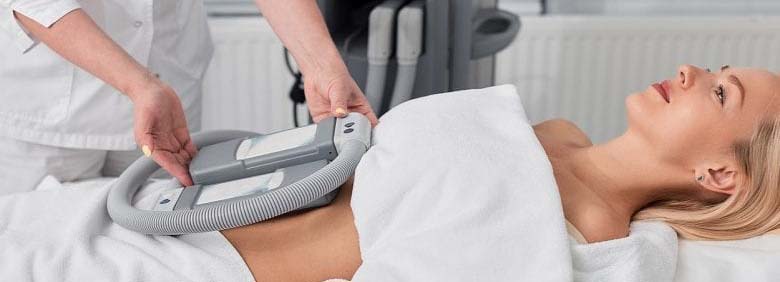
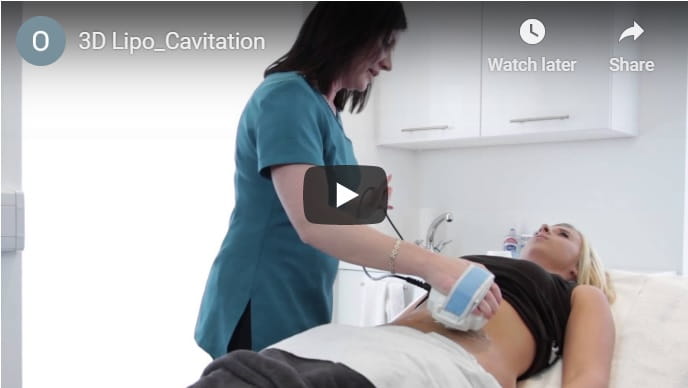
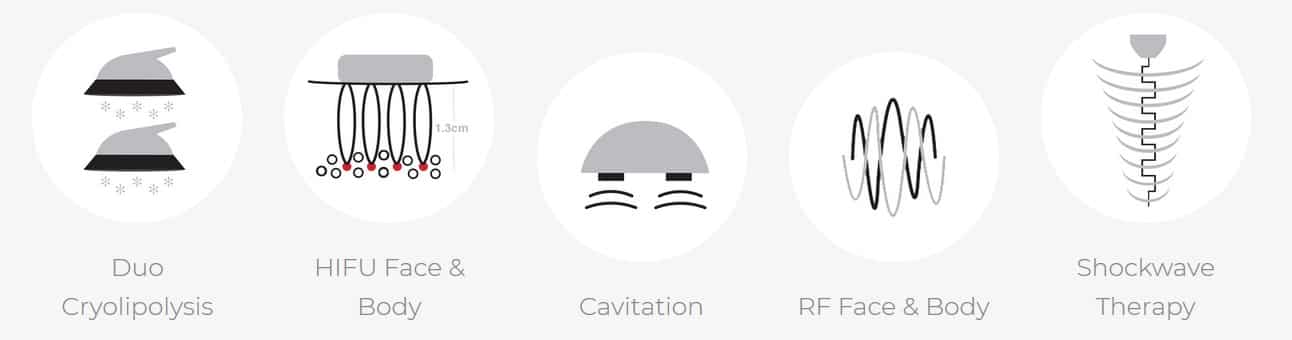
These images provide additional visual context for non-surgical body-contouring treatment and technology.